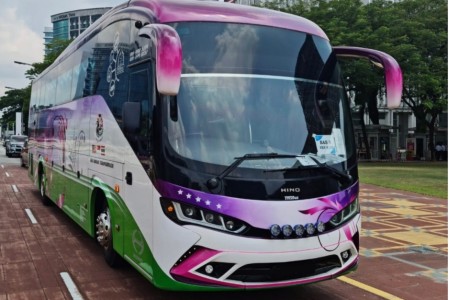

Transport for Tourists in Malaysia Made Simple
- July 3, 2026
- Uncategorized
Plan smarter transport for tourists in Malaysia with practical tips on trains, buses, e-hailing, ferries and airport transfers for every trip. Read More
 by User Deleted
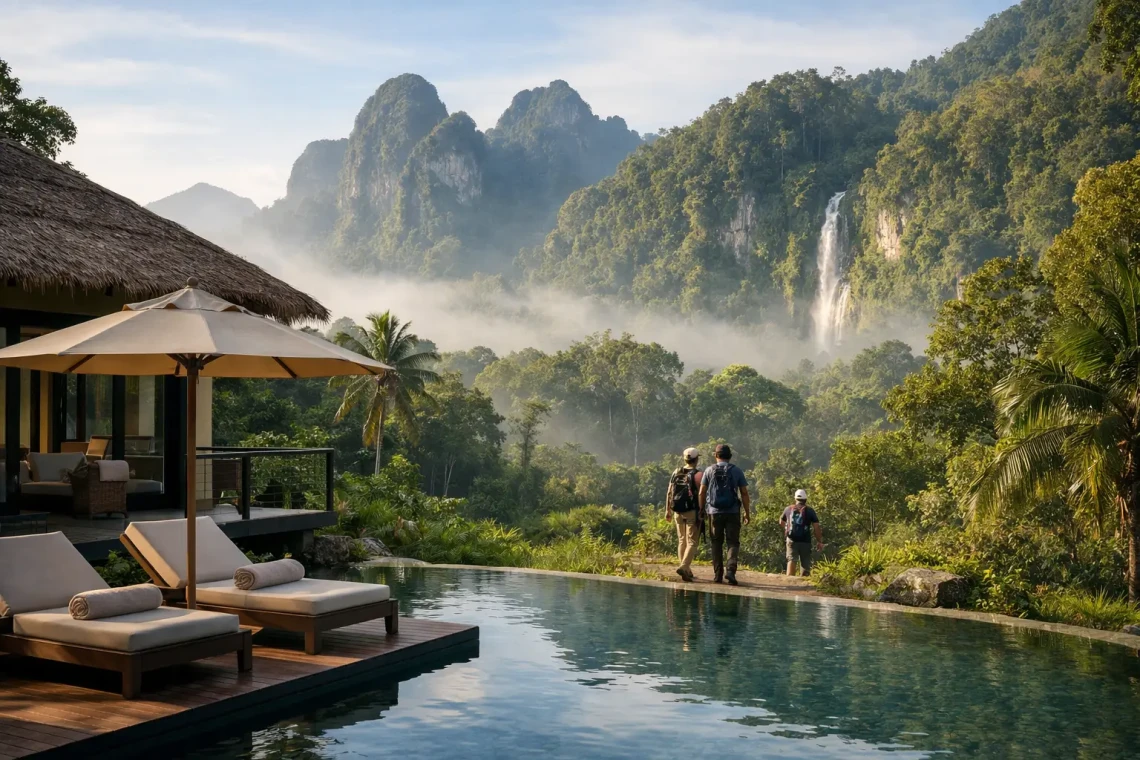
The best hiking mornings usually start before sunrise, when the road is quiet, your bag is already packed, and you are not facing a two-hour drive just to reach the trailhead. If you plan to stay near hiking trails, the right accommodation can save time, reduce stress, and make the whole trip feel easier from check-in to check-out.
In Malaysia, that matters more than many travellers expect. A trail that looks close on a map can still involve winding hill roads, limited parking, patchy signal, or an early queue at the entrance. Choosing a stay nearby is not only about convenience. It can shape how much energy you have for the hike itself, whether your group stays comfortable, and how smoothly you can combine trekking with transport, meals, prayer needs, or a longer work-friendly stay.
A hiking trip is rarely just about the climb. You also need to think about rest, arrival time, weather, and how quickly you can get back to a clean shower and proper meal afterwards. Staying close to the trail gives you more flexibility if plans change. If rain rolls in, if your group starts later than expected, or if children need breaks, being nearby gives you breathing room.
It also helps with pacing. Some guests want a single early hike and a relaxed afternoon. Others want to tackle multiple routes over a weekend. In both cases, distance changes the experience. A stay that is 15 minutes from the trail can feel far more practical than one that is 45 minutes away, especially if roads are unfamiliar or parking fills up early.
For travellers visiting Malaysia from overseas or from another state, local access matters even more. You may not know which routes get busy, which hills require pre-registration, or which areas are easiest to reach without your own car. In that situation, where you stay becomes part of your planning, not an afterthought.
The first thing to check is not the property photos. It is the actual position of the stay in relation to your trail, meeting point, or park entrance. Some listings say they are near a hiking area, but that could still mean a long uphill drive or a route with limited morning transport. Look for places that make the start of the day simple, not just places that sound outdoorsy.
A stay five kilometres from a trail may be less convenient than one ten kilometres away if the roads are narrow or traffic is heavy at peak times. If you are travelling with family, older parents, or a larger group, easy road access and parking can be more valuable than being technically closer.
This is especially useful in hill and forest areas around Malaysia, where travel times can vary more than expected. If you are booking transport separately, check whether pick-up is realistic in the early morning. If you are driving, think about whether you want to navigate dark rural roads before dawn.
The right property depends on how your trip is set up. A private room or compact hotel-style stay can work well for solo travellers and couples planning a single night before an early climb. A house, villa, or larger flat often makes more sense for groups carrying extra gear, splitting costs, or staying for several days.
If your plan includes recovery time, choose somewhere with enough living space to rest properly after the hike. If you are combining outdoor time with remote work, stable Wi-Fi and a workable table matter just as much as proximity to the trail.
The most useful stay near hiking trails is not always the one closest to the entrance. Sometimes it is the one with better food access, easier parking, a more comfortable bed, or a host who understands the area. After a demanding route, practical details matter. You may want nearby shops, simple dining options, laundry access, or a kitchen for a group meal.
For Muslim travellers, comfort can also mean choosing a stay with faith-aligned amenities such as sejadah, Quran availability, or kiblat signage. When those details are in place, the trip feels smoother and more considered.
When comparing stays, it helps to assess them in the same way you would assess a hiking route – based on conditions, not just appearance. A stylish room is welcome, but it should support the kind of trip you are actually taking.
Start with timing. Can you check in at a reasonable hour if you are arriving the night before? Is late self-check-in available if your journey takes longer than planned? If you are hiking on departure day, can luggage be stored after check-out? These details can make a short trip far easier.
Then look at comfort and recovery. Air conditioning, hot water, clean bathrooms, and a quiet sleeping environment matter more after a climb than they might on a city break. If you are travelling with muddy shoes and damp clothing, practical features such as outdoor space, tiled floors, or a washing machine can be surprisingly helpful.
Safety is worth checking too. Good lighting, secure access, and straightforward communication with the host all make a difference when you are arriving early, returning tired, or travelling in a mixed group. If you are unfamiliar with the area, choose a listing with clear property details rather than vague promises.
Not every guest needs the same setup, even if everyone is headed for the same trail.
Couples often do best with a cosy stay that keeps travel simple and leaves room for a relaxed evening before or after the hike. Families usually need more than just extra beds. They may need easier access, private bathrooms, kitchen facilities, and enough room for children to settle down after a long day.
Groups hiking together often benefit from booking one larger property instead of several smaller rooms. It is easier to coordinate wake-up times, sort gear, and share transport when everyone is under one roof. Cost can also work out better.
Digital nomads and longer-stay guests have a different set of priorities. For them, the appeal is not only to stay near hiking trails, but to build a routine around them. A comfortable base with strong internet, a proper work area, and weekly or monthly value can turn a weekend activity into part of a longer Malaysia stay.
There is no single perfect option, because every booking involves trade-offs. A stay right beside a popular trail may cost more, have less privacy, or book out quickly on weekends. A property slightly farther away may offer better value, more space, and a more restful setting.
You may also need to choose between being near nature and being near facilities. Some trail-adjacent stays feel peaceful and scenic, but have fewer dining options, weaker phone signal, or limited ride-hailing availability. Others place you closer to town, where meals and supplies are easy, but the hiking start requires a short drive.
This is where clear priorities help. If your main goal is to catch an early trail slot, stay as close as practical. If your group values comfort, food access, and downtime just as much as the hike, a stay a little farther out may be the better fit.
The easiest way to plan is to book around the whole experience rather than treating accommodation as a separate step. Think about where you will sleep, how you will reach the trail, what time you need to leave, and what kind of space you want to return to.
A platform such as MyRehat makes that process simpler because it is built around more than just rooms. When accommodation, transport, and hiking options sit in one place, it becomes easier to compare what actually suits your route, group size, and travel style. That is particularly useful for travellers who want Malaysia-specific choices, local hosts, and stay types that reflect how people really travel here.
If possible, book earlier for weekends, school holidays, and public holiday periods, especially in popular hill and nature areas. Good stays close to trails tend to go first, and last-minute options may leave you with a longer drive than you wanted.
The right booking does not need to be flashy. It just needs to put you in the right place, at the right time, with the right level of comfort for the trip you have planned. Choose well, and your hike starts feeling easier long before you reach the trail.

Plan smarter transport for tourists in Malaysia with practical tips on trains, buses, e-hailing, ferries and airport transfers for every trip. Read More

Find the best Malaysia stays for families, from city flats to beach villas, with tips on space, safety, amenities and easy trip... Read More
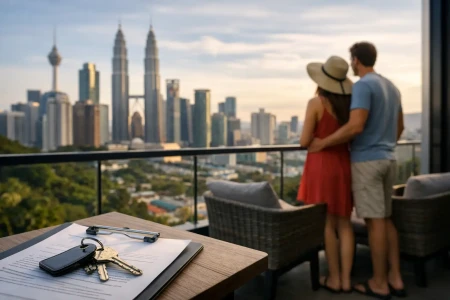
Can tourists rent apartments Malaysia? Yes - but rules, booking terms, visas and building policies matter. Here is what travellers should check. Read More

Find out how to stay near... Read More

Plan smarter transport for tourists in... Read More

Find the best Malaysia stays for... Read More

Can tourists rent apartments Malaysia? Yes... Read More

Learn how to book flexible stay... Read More