
12 Best Malaysia Stays for Families
- July 1, 2026
- Uncategorized
Find the best Malaysia stays for families, from city flats to beach villas, with tips on space, safety, amenities and easy trip... Read More
 by User Deleted
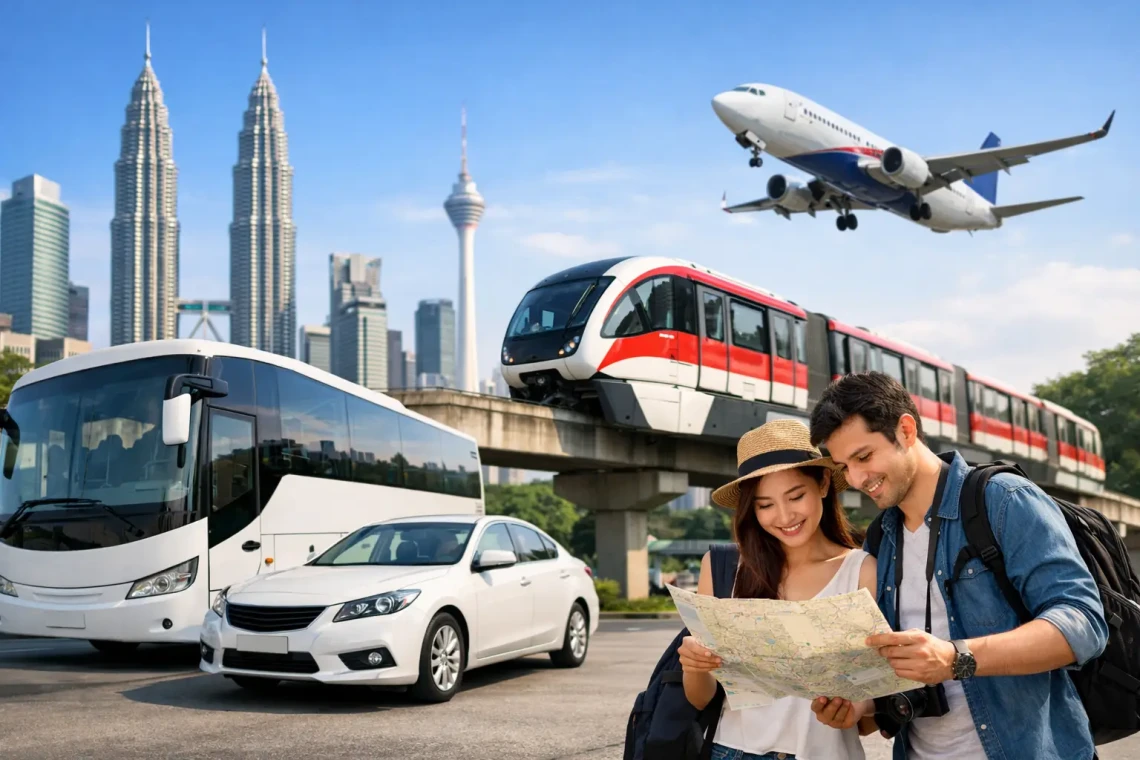
Landing in Kuala Lumpur after a long flight, the first real travel decision usually is not where to eat or what to see. It is how you are actually getting from the airport to your stay, then from one part of Malaysia to the next without wasting time, money, or patience. Good transport for tourists in Malaysia can make a fast city break feel effortless, or turn a beach-and-highlands itinerary into a smooth multi-stop trip.
Malaysia is one of the easier countries in South-East Asia to get around, but the best option changes with your route, budget, group size, and travel style. A solo traveller staying in Kuala Lumpur city centre will not move around the same way as a family heading to Langkawi, or a remote worker splitting time between Penang and Johor Bahru. The practical choice is rarely one single mode of transport. Most trips work best when you mix rail, e-hailing, coaches, ferries, and occasional private transfers.
The simplest way to think about transport in Malaysia is by distance. For city travel, urban rail and e-hailing usually cover most needs. For intercity journeys on Peninsular Malaysia, trains and long-distance coaches are often the best-value options. For islands and East Malaysia, ferries and domestic flights become much more relevant.
Comfort matters too. If you are travelling with luggage, children, elderly family members, or arriving late at night, the cheapest option may not be the best one. A short transfer that drops you at the door can be worth paying for, especially after a long flight or when checking into a new stay.
If you are planning around prayer times, family routines, or flexible working hours, it helps to choose transport that gives you fewer changes and more predictable arrival times. That is often where pre-booked transfers or direct services have an advantage.
Kuala Lumpur is usually the first stop for international visitors, and it has the strongest public transport network in the country. The city’s rail system includes MRT, LRT, Monorail, and commuter train services. For tourists staying near major areas such as Bukit Bintang, KL Sentral, or KLCC, rail is often the quickest way to avoid traffic.
That said, public transport in Kuala Lumpur is most useful when your hotel or homestay is close to a station. If it is not, you may end up adding several walks in humid weather, which is less appealing with shopping bags, children, or heavy cases. In those situations, e-hailing is often the more realistic option.
E-hailing works very well in Malaysian cities. It is widely used, generally affordable, and easy for short point-to-point journeys. For many tourists, it is the default option for evenings, airport runs, and places that are awkward to reach by train. The trade-off is traffic. A ten-minute route on the map can take much longer during rush hour or in busy tourist areas.
Penang and Johor Bahru are similar in one important way: e-hailing is often more practical than relying fully on public transport. Penang, in particular, is enjoyable to explore, but public transport is less straightforward than Kuala Lumpur’s rail network. If you are based around George Town and planning café stops, heritage sites, or beach areas, mixing local buses with e-hailing usually works best.
Airport transfers deserve more attention than they usually get. After arrival, travellers tend to overestimate their energy and underestimate how much they will appreciate a straightforward ride.
From Kuala Lumpur International Airport, the fastest route into the city is the airport rail link, especially if you are staying near KL Sentral or can connect easily onwards. It is efficient and avoids road congestion. But if your accommodation is far from a station, a direct car transfer may still save time overall.
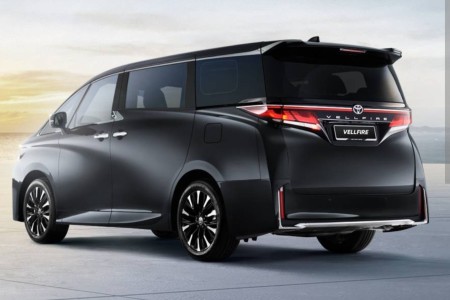
For families, groups, and travellers with several bags, private airport transport can be the easiest choice. The cost per person becomes more reasonable when shared, and you remove the uncertainty of changing services after a long journey. This is especially useful for late arrivals, early departures, or first-time visitors who want a calmer start.
When travelling between major cities on the peninsula, tourists usually compare train, coach, and domestic flight. The right answer depends on both route and travel priorities.
Rail travel is a strong option for certain routes, particularly if you value comfort and a more relaxed journey. Trains offer less stress than road travel, and stations are often easier to manage than airports. They suit travellers moving between city-based stays who want a predictable schedule and fewer surprises.
The main limitation is coverage. Trains do not connect every tourist destination directly, and sometimes the station is not where you need it to be. If your final stop is a beach town, a highlands retreat, or a smaller district, you may still need a taxi or local transfer at the end.
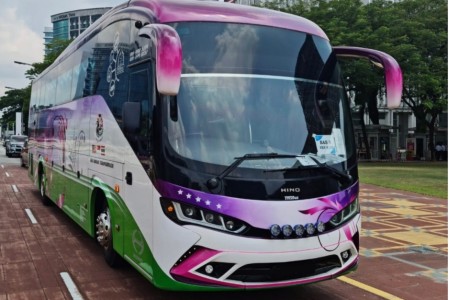
Long-distance coaches are one of the most budget-friendly ways to travel in Malaysia, and they cover more routes than many visitors expect. They are useful for getting between cities, towns, and transport hubs that are not well served by rail.
Modern coaches can be comfortable, but travel times vary with traffic and route conditions. A daytime coach may suit budget-conscious travellers, while families or people on tighter schedules may prefer rail or a short flight instead. If you are prone to motion sickness or do not enjoy long road journeys, it is worth being honest about that before booking.
Flights make sense when time matters most. They are especially helpful for longer cross-country routes, for reaching East Malaysia, or for connecting with islands and holiday areas where land transport would take too long.
The hidden cost is not just money. Flights involve earlier check-in, airport transfers, baggage rules, and less flexibility. For a short route, the total door-to-door time can be closer to a train or coach than it first appears.
For islands such as Langkawi and others with ferry access, boat transport becomes part of the holiday rather than just the logistics. Ferries can be straightforward, but they are more weather-sensitive than road or rail travel. Timetables can change, and rougher conditions may affect comfort.
This matters if you are planning a tight itinerary. If your trip includes an island stay followed by a same-day flight home, leaving enough buffer is wise. A relaxed extra night is often better than trying to force every connection into one day.
Once on the island, local transport tends to be more limited. E-hailing may be available in some places, but not always with the same speed or coverage as major cities. Pre-arranged transfers, car hire, or local taxis can be useful depending on how independently you want to travel.
Not every traveller should be looking for the cheapest fare. Families often benefit from direct transport, especially for airport runs and intercity transfers with luggage. Groups may find that a private vehicle is not only easier but also cost-effective when the fare is split.
For longer stays, convenience starts to matter more than novelty. Digital nomads and extended-stay travellers usually settle into routines involving cafés, coworking spots, grocery runs, and occasional day trips. In that case, staying somewhere with easy access to rail or reliable e-hailing can be more valuable than chasing a lower nightly rate in a less connected area.
This is also where an integrated booking approach helps. If you are choosing accommodation and transport together, it becomes easier to match your stay with the way you plan to move around. A city flat near a train line, a beachfront villa with transfer options, or a Muslim-friendly family stay with practical transport access can save a lot of friction later.
The most common mistake is assuming Malaysia is small enough to move around casually. Distances look manageable on a map, but real journey times depend on traffic, terrain, ferry schedules, and last-mile transfers.
Another is treating every city the same. Kuala Lumpur supports public transport-heavy planning. Penang often rewards a more flexible mix. Highlands, islands, and smaller destinations usually need more advance thought.
Finally, many travellers build itineraries around attractions rather than transfer reality. It is better to group places sensibly and give yourself breathing room. A trip feels far better when transport supports the holiday rather than dominating it.
The best transport for tourists in Malaysia is rarely the cheapest or the fastest in isolation. It is the option that fits your stay location, your group, your luggage, and the kind of trip you actually want. Some journeys are ideal by train. Some are easier with an e-hailing car. Some are worth paying extra for a direct transfer from the start.
If you are booking your stay and planning activities at the same time, think about transport early rather than treating it as an afterthought. On a platform such as MyRehat, that joined-up view makes the whole trip easier to organise. When your route matches your accommodation and your daily plans, Malaysia becomes much simpler to enjoy – and that leaves more room for the part you actually came for.

Find the best Malaysia stays for families, from city flats to beach villas, with tips on space, safety, amenities and easy trip... Read More

Can tourists rent apartments Malaysia? Yes - but rules, booking terms, visas and building policies matter. Here is what travellers should check. Read More
Learn how to book flexible stay dates with less stress. Compare options, check policies, and find stays that fit changing travel plans. Read More
Plan smarter transport for tourists in... Read More

Find the best Malaysia stays for... Read More

Can tourists rent apartments Malaysia? Yes... Read More

Learn how to book flexible stay... Read More

Find the right house rental for... Read More