Hotel atau Homestay Comparison di Malaysia
- June 7, 2026
- Travel Tips
Hotel atau homestay comparison membantu pilih penginapan di Malaysia ikut bajet, privasi, lokasi, kemudahan, dan gaya perjalanan anda. Read More
 by MyRehat
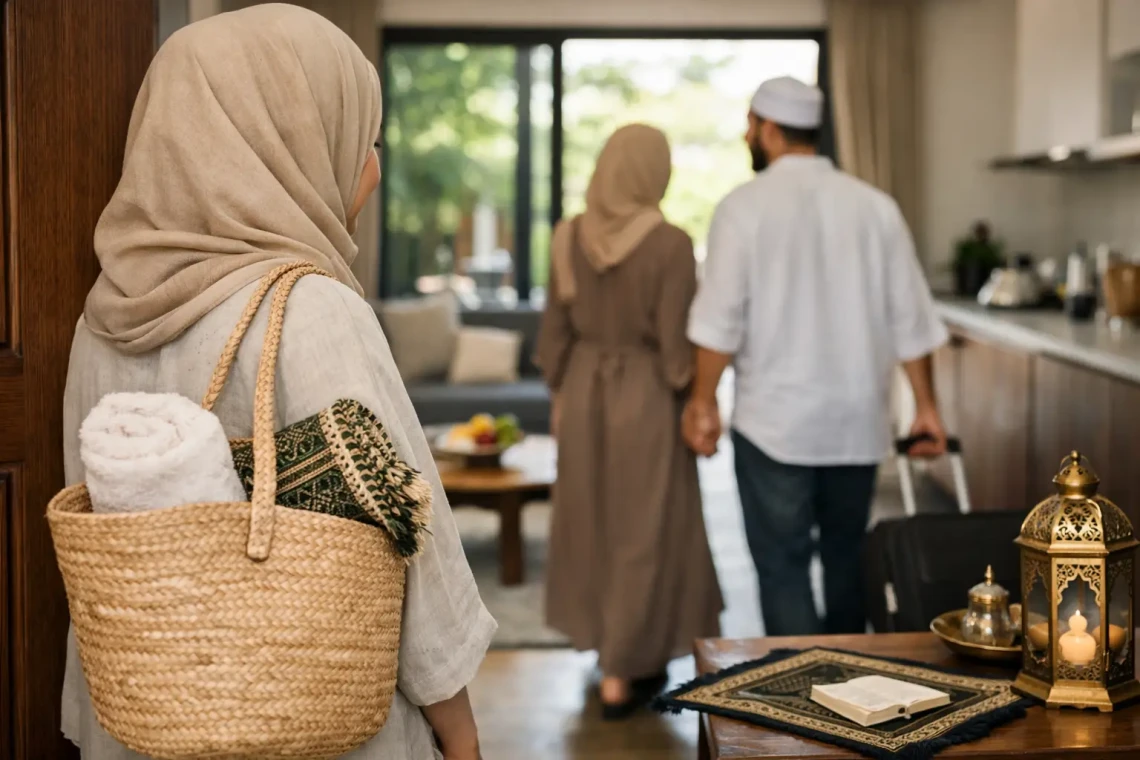
Booking a place to stay should feel simple. But if you are looking for a property that supports your daily religious needs, the details matter. So what is a muslim friendly homestay? It is a private stay designed to help Muslim guests travel comfortably, with practical features such as prayer essentials, privacy, halal-friendly considerations, and a setting that respects faith-based routines.
That definition sounds straightforward, but in real booking decisions, the label can mean different things. Some properties offer only a prayer mat and qibla direction. Others are much more complete, with Quran availability, family-friendly layouts, modest swimming access, kitchens suitable for halal meal preparation, and hosts who understand what Muslim travelers usually need. Knowing the difference helps you book with more confidence.
A muslim friendly homestay is not just a regular vacation rental with a religious label added to it. In practice, it usually means the stay has been prepared with Muslim guests in mind from the start. That preparation can be physical, such as providing a sejadah, or it can be operational, such as making house rules and amenities better suited for families, couples, or groups who want a more faith-conscious environment.
In Malaysia, this often feels natural because many local hosts already understand these expectations. A Muslim-friendly stay may include a qibla marker, a copy of the Quran, a clean and private area for prayer, and easy access to halal food nearby. In some cases, it may also avoid features that make Muslim guests uncomfortable, such as visible alcohol in the unit or entertainment choices that do not match the guest profile.
Still, there is no single universal checklist. One host may focus on prayer convenience, while another may focus on privacy, modesty, and family suitability. That is why travelers should treat the term as a useful starting point, not the final answer.
When people search for this type of stay, they are usually looking for more than one amenity. They want a place where daily routines will be easier, not harder.
The most commonly expected features are prayer-related basics. These include a prayer mat, qibla direction signage, and sometimes a Quran. For many guests, those three items already make a meaningful difference, especially on short trips or during transit stays.
Privacy is another major part of the experience. A homestay can be Muslim-friendly because it offers a full private unit, separate sleeping arrangements for families, covered windows, or a layout that feels more comfortable for modest living. This matters even more for longer stays, group trips, and multigenerational travel.
Food preparation is also part of the decision. A kitchen does not automatically mean halal-friendly, but many travelers prefer having their own cooking space so they can manage ingredients with confidence. Easy access to halal dining nearby adds even more value.
Then there is the broader environment. Some guests prefer a quiet neighborhood near mosques, family attractions, or Muslim-friendly dining options. Others want building facilities that feel suitable for their travel style, whether that means women-only comfort in certain settings, a more private pool arrangement, or a less party-oriented atmosphere.
This is where many booking mistakes happen. Two listings can both use the phrase, but the actual experience may be quite different.
One property may be Muslim-friendly in a basic way. It gives you prayer essentials, a clean space, and a halal-conscious location. That can be enough for solo travelers, business travelers, or short city stays where convenience matters most.
Another property may be better for families who want more complete support. That could mean multiple bedrooms, a kitchen, extra privacy, child-friendly spaces, and a host who clearly states what is provided for Muslim guests.
Then there are travelers who want a stricter standard. For them, a Muslim-friendly homestay should not only provide prayer amenities but also avoid serving or storing alcohol, support stronger privacy expectations, and align more closely with Islamic lifestyle preferences overall.
None of these expectations are wrong. It simply depends on the trip, the travelers, and what level of support is actually needed.
Malaysia is one of the easiest destinations in the region for Muslim travelers, but that does not mean every stay will automatically fit every need. The advantage is that many hosts understand the basics and many neighborhoods already offer strong halal dining access, mosque access, and family-friendly infrastructure.
That local context makes Muslim-friendly filtering especially useful. Instead of messaging multiple hosts one by one, travelers can narrow down options based on the amenities and setting that matter most. This is helpful for domestic weekend trips, long holiday stays, work trips, and even monthly rentals where daily comfort matters more over time.
For international visitors, the value is even clearer. If you are not familiar with local areas, a properly described Muslim-friendly homestay reduces uncertainty. You can book knowing the stay is more likely to support prayer, food planning, privacy, and family comfort without extra stress after arrival.
The best approach is to look beyond the headline. A useful listing should make the details easy to verify.
Start with the amenity section. Check whether the property clearly mentions items such as Quran availability, sejadah, and kiblat signage. If those are listed specifically, that is stronger than a vague claim.
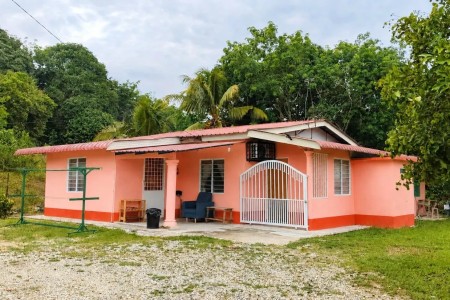
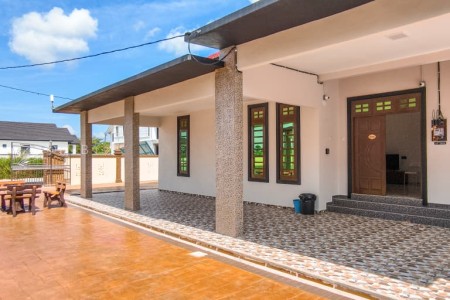
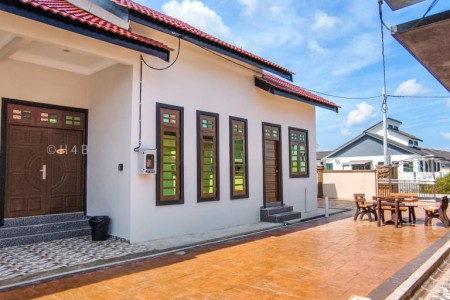
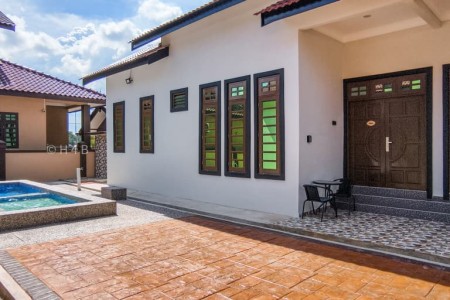
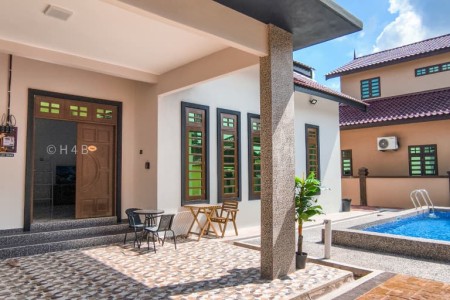
Next, review the layout and photos. A full apartment, condo, villa, or house usually gives more privacy than a shared setup. Families and groups often benefit from separate bedrooms, more than one bathroom, and a kitchen. These practical details often matter just as much as religious amenities.
Then look at the surrounding context. Is the stay near halal food options? Is it in a family-oriented area? Does it appear suitable for quiet evenings, prayer routines, and modest travel preferences? Location affects the experience as much as the unit itself.
Host communication matters too. A good host does not just say the place is Muslim-friendly. They explain what is included. That could be prayer items, nearby mosque access, or simple house details that help guests decide quickly.
If you are booking through a marketplace with clear tags and filters, this process becomes much easier. Platforms that surface Muslim Friendly as a searchable property feature help remove guesswork from the early planning stage.
Families are often the clearest fit. They usually need more space, more privacy, and easier food management than a standard hotel room can offer. A homestay gives them room to pray, cook, rest, and keep children comfortable.
Groups also benefit, especially for weddings, reunions, and short domestic getaways. Shared living space can be more practical and cost-effective, while still supporting faith-based routines.
Couples and solo travelers benefit too, though their needs may be simpler. For them, the right choice may be a clean, well-located apartment with prayer essentials and quick access to halal dining.
Remote workers and longer-stay guests are another strong match. If you are staying for a week or a month, small details become daily quality-of-life factors. A livable setup with privacy, reliable amenities, and Muslim-friendly features can make a work trip or extended stay feel much easier to manage.
The phrase helps, but travelers should still read carefully. Muslim-friendly is a practical booking signal, not a legal standard. Some hosts use it thoughtfully and provide real value. Others may mean well but offer only the basics.
That does not make the label unreliable. It just means the best booking decisions come from matching the property to your actual needs. If prayer convenience is enough, a simpler stay may be perfect. If you need stronger privacy, more family space, or a fuller halal-conscious environment, look for listings that show those details clearly.
For many travelers, that balance is what makes the term useful. It gives you a starting point that reflects comfort, respect, and travel ease, while still leaving room to choose the style of stay that fits your trip.
A good Muslim-friendly homestay should make you spend less time adapting and more time enjoying where you are. That is usually the best sign you have found the right place.
Hi, Airbnb empire delayed due to Covid. Rebuilding with some exciting new vibrant places. Coming to you soon. I enjoy many kind of foods and love to hike. If we hit it off, be more than happy to bring my guests to my best foodie places and hiking gems in the city. Look forward to meeting all of you!
Hotel atau homestay comparison membantu pilih penginapan di Malaysia ikut bajet, privasi, lokasi, kemudahan, dan gaya perjalanan anda. Read More
Booking platform comparison Malaysia for stays, transport, and activities. See which features matter most for families, nomads, and Muslim travelers. Read More
Learn how to find Muslim friendly stays in Malaysia with smart filters, amenity checks, and booking tips for families, groups, and solo... Read More

Pelajari cara gabung penginapan dan aktiviti... Read More

A guide to Malaysia travel transport... Read More

Pelajari cara tempah penginapan keluarga besar... Read More

Workcation accommodation trends Malaysia show how... Read More

Plan hiking trips Malaysia with ease.... Read More