
Flexible Payment Accommodation Malaysia Guide
- July 11, 2026
- Uncategorized
Plan your Malaysia stay with flexible payment accommodation Malaysia options, from short breaks to longer stays, with clear booking choices for every... Read More
 by User Deleted
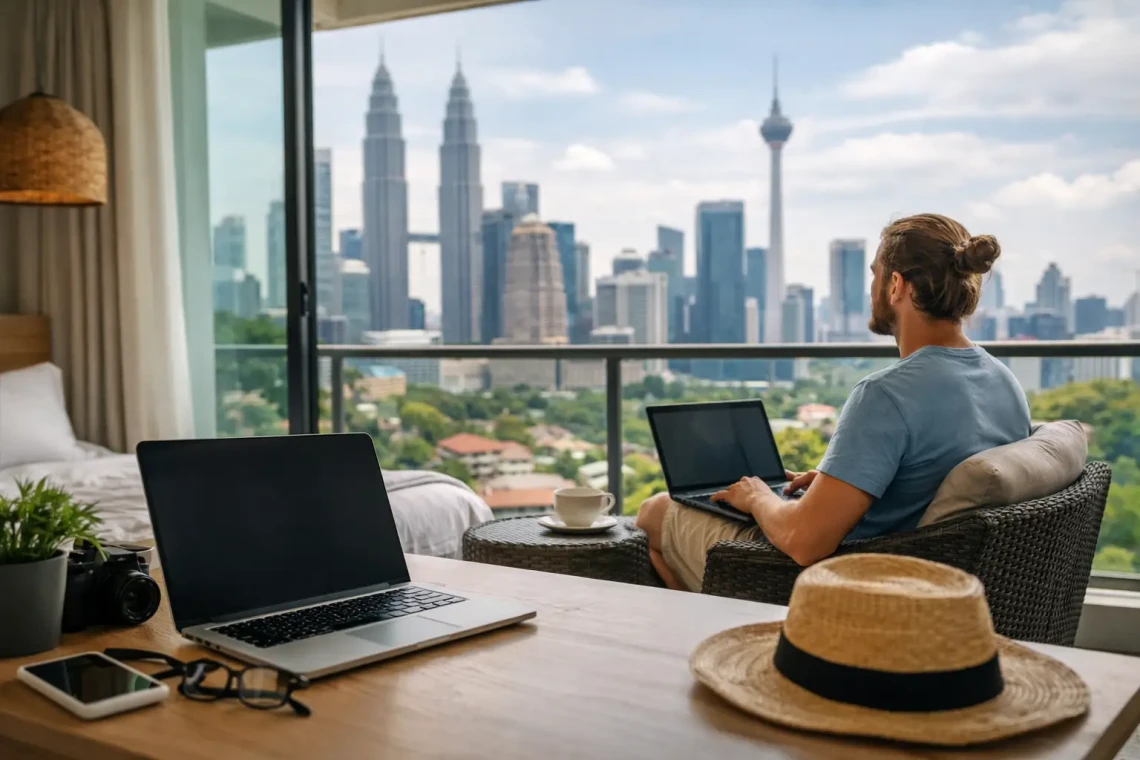
A monthly stay in Malaysia is no longer simply a hotel room with a laptop on the desk. Digital nomad housing trends are moving towards homes that support a real working routine: dependable Wi-Fi, a comfortable place to focus, space to cook, and a location that makes daily life feel easy. For remote workers balancing calls with city breaks, island time or weekend hikes, the right stay can shape the whole trip.
Malaysia is particularly well suited to this shift. It offers a mix of connected cities, relaxed coastal destinations, diverse food scenes and accommodation choices for different budgets. The most useful stays are not always the most luxurious. They are the ones that let guests work well, rest properly and experience the destination beyond a screen.
The biggest change is a move from short, hotel-style bookings towards weekly and monthly stays. Remote workers often want enough time to settle into a neighbourhood, find a favourite breakfast spot and build a routine around work hours. A longer booking can also make more practical sense when it includes a kitchen, laundry facilities and a living area rather than only a bedroom.
This does not mean every nomad wants a long-term lease. Flexibility remains essential. Some guests may spend two weeks in Kuala Lumpur before heading to Penang, Langkawi or Kota Kinabalu. Others may base themselves in one city for a month, then extend only if the property, internet connection and surrounding area meet expectations. Housing that offers clear weekly and monthly options gives travellers more control without the commitment of a conventional rental contract.
Another clear trend is the preference for liveable spaces over generic rooms. A compact studio flat can work well for one person, but a remote worker travelling with a partner, family or colleague may need separate sleeping and working areas. Condos with shared pools and gyms are popular for this reason, while private houses and villas appeal to groups who want more room and a quieter setting.
A strong Wi-Fi signal is the starting point, not the full answer. Guests increasingly look for a proper desk or table, a supportive chair, accessible plug sockets and enough natural light to work comfortably through the day. Air conditioning matters too, particularly when a long video call falls during the warmest hours.
Hosts do not need to turn every property into a corporate office. A simple, thoughtfully arranged work corner is often more valuable than a crowded room full of decorative furniture. Clear property details help guests decide quickly: state whether Wi-Fi is available, describe the workspace honestly and show where it is located in the home.
Reliable mobile coverage is a useful back-up, especially for professionals who cannot afford to lose connection during meetings. For stays in beach towns, rural areas or near hiking routes, it is sensible for guests to check connectivity before booking rather than assuming every attractive view comes with high-speed internet.
Digital nomads are choosing locations based on how they want their working week to feel. Kuala Lumpur remains a practical choice for those who value transport links, cafés, business facilities and a wide choice of condos and serviced stays. Areas close to rail lines can reduce the need for daily car journeys and make it easier to explore after work.
Penang attracts remote workers who want a more relaxed pace alongside heritage streets, local food and access to beaches. Johor Bahru can suit guests seeking an urban base with easy regional connections, while Langkawi and Kota Kinabalu appeal to travellers who want nature close by. The best destination depends on the job, the budget and how much quiet time a guest needs.
For some, a central location is worth paying more for. For others, a larger home slightly outside the city centre provides better value, provided transport is straightforward. This is where practical booking information matters: guests should look beyond attractive photographs and consider grocery shops, cafés, public transport, parking, walkability and journey times.
Remote work has made travellers more likely to spend weekday evenings in the neighbourhood rather than treating accommodation as a place to sleep. Homes near local markets, family-run eateries, parks and community spaces can create a more meaningful Malaysia stay than an isolated tower with no everyday amenities nearby.
Cultural consideration is also part of the housing decision for many guests. Muslim-friendly stays with features such as a sejadah, Quran availability or kiblat signage can offer immediate reassurance. These thoughtful details are not only practical. They help travellers feel welcomed and able to maintain their routine while away from home.
Not every digital nomad wants the same housing style. Solo travellers on a tighter budget may choose a private room or a well-run hostel with communal work areas. It can be an affordable way to meet people, although noise and limited privacy may not suit guests with frequent calls or irregular work hours.
A private flat or condo offers more independence. It is often the strongest option for guests staying several weeks, cooking regularly or working across time zones. The trade-off is that it can feel more solitary, particularly for first-time visitors who are hoping to meet other travellers.
Shared houses and larger villas are gaining attention among friends, small teams and families combining work with a holiday. Splitting the cost can make a high-quality space more achievable, and a separate living room gives everyone somewhere to gather away from bedrooms. However, groups should agree on work schedules early. A quiet morning for one guest may be another person’s late-night call.
Before booking, start with the practical details that affect every workday. Confirm the Wi-Fi arrangement, ask whether there is a desk or suitable table, and check whether the property has air conditioning, laundry and kitchen facilities for the length of stay. If you are travelling during a busy period, it is also worth checking how quiet the building and immediate area are likely to be.
Then look at the space through the lens of your routine. A traveller who spends most days on video calls may value a private bedroom and reliable desk more than a pool. Someone working flexible hours may prefer a central neighbourhood with late-opening food options. Families may need multiple bedrooms, secure parking and enough living space for everyone to be comfortable during the day.
Use property filters and listing details to compare guest capacity, bedrooms, bathrooms, stay type and relevant tags. On MyRehat, Digital-Nomad Friendly and Muslim Friendly features can make the search more focused, particularly when you need a stay that supports both work requirements and personal preferences.
For hosts, digital-nomad-friendly housing is less about expensive upgrades and more about removing uncertainty. A fast, stable internet connection, a clean workspace, clear check-in guidance and accurate photos can influence a booking decision more than an elaborate description. If Wi-Fi speed has been tested, sharing that information builds confidence.
Longer-stay guests also notice the details that make a home functional. Basic cooking equipment, clothes storage, a washing machine or nearby laundry service, and simple local guidance can turn a good review into a repeat booking. Hosts should be upfront about building rules, parking, shared areas and any limits on noise or visitors.
The strongest listings present the property as a place to live, not just a place to pass through. That means showing the work corner, the kitchen, the view from the window and the practical facilities guests will use every day.
Malaysia’s remote-work travellers are looking for more than a bed between meetings. Choose a stay that gives you room to focus, a neighbourhood you want to return to after work, and the flexibility to let the journey unfold at your own pace.

Plan your Malaysia stay with flexible payment accommodation Malaysia options, from short breaks to longer stays, with clear booking choices for every... Read More
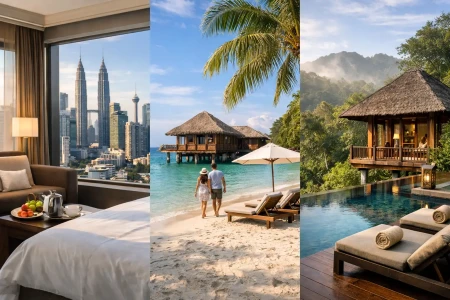
Malaysia stay types guide for families, couples, groups and remote workers. Compare flats, villas, hostels and hotels to book the right fit. Read More

Find the best transport options for tourists in Malaysia, from trains and e-hailing to car hire and ferries, with practical tips for... Read More
Digital nomad housing trends in Malaysia... Read More

Plan your Malaysia stay with flexible... Read More

Malaysia stay types guide for families,... Read More

Find the best transport options for... Read More

Find out how to stay near... Read More