

Digital Nomad Housing Trends in Malaysia
- July 13, 2026
- Business
Digital nomad housing trends in Malaysia point to longer stays, reliable workspaces and flexible homes that make remote work and local travel... Read More
 by Sheera Hussin
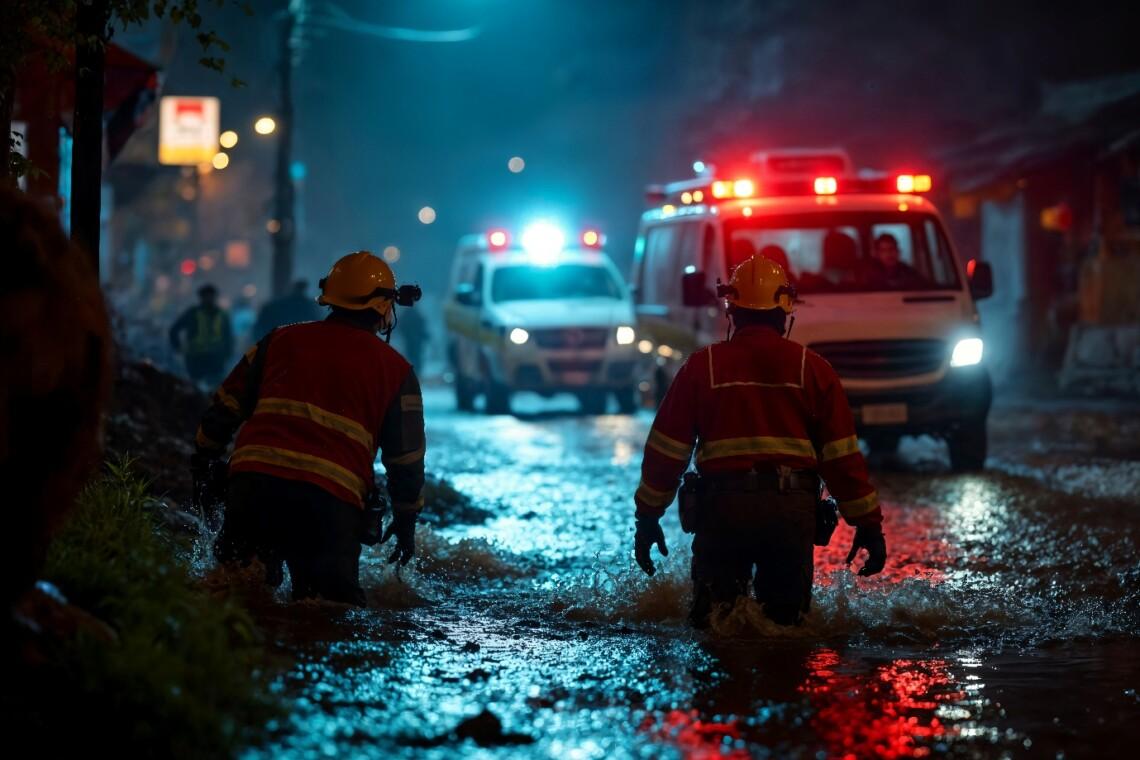
If you host in Southeast Asia, disasters are not rare events as they are part of the operating environment. According to the World Bank, in Malaysia alone, floods account for 85% of all natural disasters since 2000. Around 10% of the country’s land is flood-prone, affecting 5.7 million people. In 2024 alone, flood incidents surged to 1,345 cases, sharply from 809 the year before.
For hosts, this isn’t just a safety issue. It’s a business risk. And yet, most hosts are not prepared.
What actually happens to your accommodation business during a disaster
When disaster strikes, the impact goes beyond physical damage:
Bookings stop instantly. Guests cancel, platforms freeze listings, and tourism demand collapses.A study on Airbnb properties during disasters found that daily losses can accumulate rapidly due to both physical damage and booking disruptions.
Floods in Malaysia have historically caused billions in damages, including to homes and businesses. Even a minor flood can destroy:

Even after recovery, guests may avoid “high-risk” areas. Flood-prone locations can see:
Disasters disrupt cleaning teams, key handovers and utilities supply including water, electricityand internet. Without operations, your listing becomes unmanageable.

Malaysia context: Why hosts should take this seriously
Malaysia may not face earthquakes or typhoons often, but floods are relentless.
(i) Flooding happens almost every year during the monsoon season (October – March).
(ii) Major floods have displaced tens of thousands of people at a time (Source: UKM).
(iii) Events like the Klang Valley floods caused RM5 to 6.5 billion in damages.
And this is not just Malaysia. Across Asia:
(iv) Recent regional floods caused over 1,200 deaths and billions in losses.
(v) A single storm affected over 4 million people across Southeast Asia (Source: Reuters).
If your property is in Bangkok, Jakarta, Manila or even Kuala Lumpur, you are exposed.
So, what can you actually do as a host?
All right, let’s keep this practical.
Many hosts skip this. Ask yourself:
If yes, you are already in a high-risk category.


You don’t need a massive investment. Make simple moves that can reduce damage significantly:

Many hosts assume they’re covered, but standard policies often exclude:

During a disaster, communication matters more than anything. Prepare these to protect your reviews:
Don’t rely on a single cleaner or runner so that if access is disrupted, your business doesn’t stop completely. Do have:
This is the uncomfortable truth. You may earn nothing for weeks or months after a disaster. As a smart host:
Here’s the part many overlook. After disasters, demand often rebounds quickly. Furthermore, aid workers, contractors, and displaced locals need stays. Hosts who recover fast can:
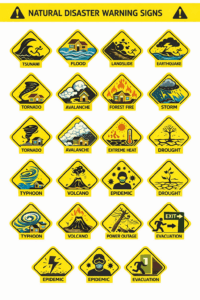
In a nutshell, most hosts treat Airbnb/homestay as passive income. But in reality, it’s an operating business exposed to real-world risks. Disasters are no longer rare events; they are part of the reality of running a short-term rental business in Malaysia and across Asia. The difference between a temporary setback and a long-term loss often comes down to preparation, systems, and the right support.
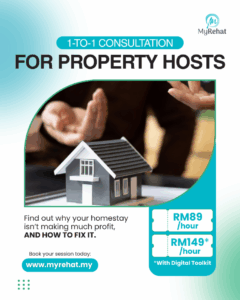
As a host, you don’t have to navigate this alone. With MyRehat, you gain access to a full-circle ecosystem designed to help you operate smarter, stay resilient, and grow sustainably. To learn more about navigating the short-term rental business with confidence — before, during, and after disruptions — consult with our expert at www.myrehat.com today.

The thrill of travel doesn’t begin... Read More

Last time, we explored some of... Read More

Digital nomad housing trends in Malaysia... Read More

Find the best transport options for... Read More

Find the best Malaysia stays for... Read More