Every year as the Lunar New Year draws near, familiar sights light up towns and cities across Malaysia: vibrant red decorations, clans preparing reunion dinners, and elders sorting crisp banknotes into red packets ready for distribution. Despite rapid technological change and evolving lifestyles, many Chinese New Year (CNY) traditions remain deeply embedded in Malaysian social life. But why do these customs endure even as we transition to digital?
Ang pow: A symbol of blessing and connection
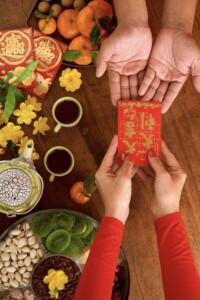
One of the most universally recognised CNY practices is the giving of red envelopes — ang pows filled with money. In Malaysia, married adults traditionally give these to children, unmarried younger relatives and sometimes even neighbours or family friends as a token of goodwill and blessings for prosperity in the new year.
The colour red itself is significant as it symbolises luck, happiness and protection against misfortune, which is why it dominates CNY decor and attire.
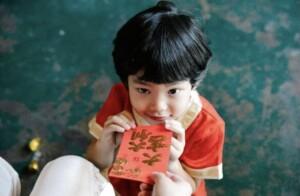
Although the tradition originated in ancient China as a way to ward off evil spirits and bring good fortune, Malaysia has developed its own local nuances. For example, many families will go to the bank to exchange for fresh, crisp notes specifically for ang pows, because new money is believed to represent a fresh start and renewed luck.
Lucky numbers: More than just wealth
In Chinese culture, numbers carry symbolic weight. Amounts in ang pows are often chosen carefully:
- Even numbers are generally favoured because they symbolise pairs and harmony.
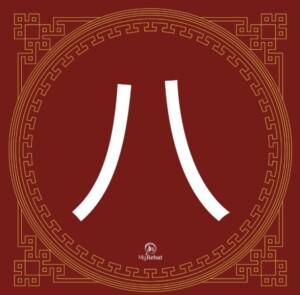
- Numbers like 8 are especially lucky — ba (八) sounds like prosperity (fa, 发) in Mandarin.
- Conversely, the number 4 is often avoided because it sounds similar to the word for death (si, 死), and can be seen as unlucky.
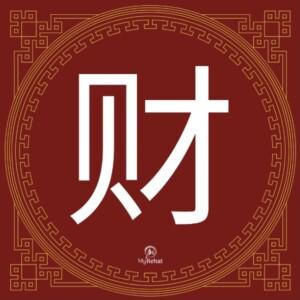
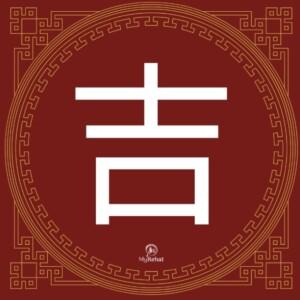
These numerical beliefs aren’t just old customs. Many Malaysians still consider them when preparing gifts, business dealings, and even choosing house numbers.
Why traditions persist in a digital world
1. Maintaining social bonds
Chinese New Year is fundamentally about family, community and respect for elders. Ang pows go beyond money; they represent a transfer of goodwill and blessings from one generation to the next. In Malaysia, this sometimes extends beyond relatives to younger children of neighbours or family friends, reinforcing communal ties in a way many feel digital transactions can’t quite replace.
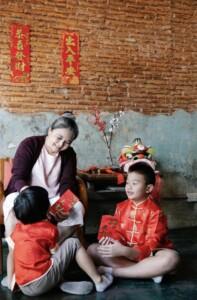
Older generations especially value the face-to-face exchange, accepting a red envelope with both hands and offering a polite greeting in return because it reinforces respect, care and presence.
2. Digital adaptations without losing meaning
In recent years, e-wallets and mobile banking have introduced e-ang pow — digital red packets that can be sent with a message or greeting using apps like MAE, TNG eWallet, GrabPay or DuitNow.

(Source: https://www.maybank2u.com.my/)
For tech-savvy young Malaysians, this is a convenient way to uphold tradition, especially when distance or busy schedules limit physical visits. But for many, it’s a supplement rather than a replacement, a practical adaptation that keeps the spirit alive even if it shifts the medium.
- A bridge between the new and the old
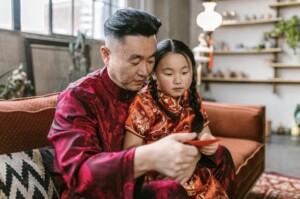
Chinese New Year is celebrated across generations. While younger folks may enjoy digital ang pows, older relatives still often prepare traditional envelopes filled with banknotes and hand them out in person. This variation shows how the tradition has evolved without losing its core meaning: expressing blessings, wealth wishes and familial connection.

(Source: https://blog.takemetour.com/11-things-not-to-do-on-chinese-new-year/)
Rituals that still resonate beyond money
The emphasis on luck and symbolism isn’t limited to ang pows. Many families:
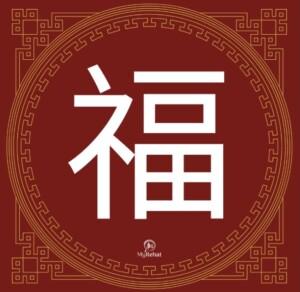
- Choose auspicious decorations like couplets, lanterns and the character 福 (fu, good fortune).
- Follow customs like family reunion dinners featuring dishes meant to bring prosperity and longevity.
- Avoid certain actions like sweeping on the first day (to not “sweep away” good luck) or using sharp objects.
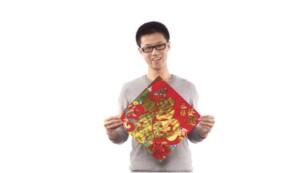
These practices survive not just because they are culturally meaningful, but because they help people feel connected to ancestors, to heritage, and to one another.
Tradition thrives by adapting

From carefully prepared red envelopes and thoughtfully chosen lucky numbers to modern e-ang pow sent through mobile apps, CNY traditions in Malaysia show us something powerful. Culture survives not by staying rigid, but by evolving with the times.
While many still cherish the ritual of exchanging crisp new notes face-to-face, it’s worth remembering that the meaning of the ang pow lies in the blessing, not the banknote itself. Digital red packets, recycled envelopes, or even reusing banknotes thoughtfully are equally meaningful ways to share prosperity. They also reflect a growing awareness of caring for the environment. After all, starting the new year with consideration for sustainability is a blessing in its own right.
Celebrate tradition, create new memories, and welcome the horse year by booking a staycation or an outdoor adventure at www.myrehat.com!