In Part 1 of this series, we explored several foundational terms that every Airbnb host and homestay operator in Malaysia should understand, from pricing metrics like ADR to operational tools such as channel managers and customer data platforms. These concepts form the backbone of a well-run short-term rental business. However, managing a successful accommodation listing also involves understanding other operational and guest management terms that influence bookings, pricing strategies and overall performance.
Here in Part 2, we continue the series by introducing 10 more accommodation and hosting terms that can help Malaysian hosts operate more efficiently:
1. Dynamic Pricing
Dynamic pricing refers to adjusting accommodation prices automatically based on demand, seasonality and market conditions.
• Factors that influence dynamic pricing include:
(i) School holidays
(ii) Public holidays and long weekends
(iii) Major events or festivals
(iv) Local demand trends
• Professional hosts often use pricing tools or market data to adjust rates daily rather than setting one fixed price for the whole year.


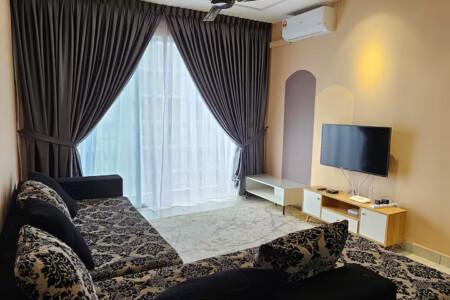
• For example, at MyRehat, units at Tropics Condominium are strategically priced based on nearby demand drivers. The property is connected to Idea Live Arena, where concerts and events are frequently held, including performances by artists like Wings, Samsons and Bryan Adams. During these periods, demand increases significantly, and prices are adjusted accordingly as it is considered peak season.
2. Minimum Night Stay
Minimum night stay is the minimum number of nights a guest must book for a reservation. For hosts who list their properties on the MyRehat booking platform, they can set the minimum night stay for guests.
• Setting a minimum stay helps hosts:
(i) Reduce frequent turnovers
(ii) Lower cleaning costs
(iii) Increase revenue per booking
• Many Malaysian hosts increase minimum nights during festive periods such as Hari Raya or school holidays.

3. Listing Optimisation
Listing optimisation refers to improving your property listing to increase visibility and booking conversions.

• Key elements include:
(i) High-quality photos
(ii) Clear descriptions
(iii) Accurate amenities list
(iv) Competitive pricing
(v) Good response time to guest inquiries
• Many hosts underestimate how much small improvements in listing quality can affect booking performance.
• A well-optimised listing often ranks higher on booking platforms and attracts more guests.

(Source: https://www.remodelista.com/posts/villa-arjuna-airbnb-bali-lena-catterick/)
4. House Rules
House rules are the guidelines guests must follow during their stay. Clear house rules help protect the property while preventing misunderstandings between hosts and guests.
• Common house rules for Malaysian homestays include:
(i) No smoking indoors
(ii) No parties or events
(iii) Quiet hours after a certain time
(iv) Maximum number of guests allowed

5. Instant Booking
Instant booking allows guests to confirm a reservation immediately without waiting for host approval.However, hosts should ensure their calendars are updated to avoid accidental bookings.
• Some benefits include:
(i) Faster booking confirmations
(ii) Higher listing visibility on some platforms
(iii) Better conversion from browsing to booking
• If you opt for this option, make sure you are responsive to guest inquiries and booking updates to avoid losing potential bookings.
6. Cancellation Policy
A cancellation policy determines how refunds are handled when a guest cancels a booking.
• Common types include:
(i) Flexible: Full refund within a certain timeframe
(ii) Moderate: Partial refund depending on notice period
(iii) Strict: Limited refunds close to check-in date
• Choosing the right cancellation policy helps balance guest flexibility with host revenue protection.

(Source: https://www.prostay.com/blog/hotel-cancellation-rules/)
7. Direct Booking
Direct booking refers to guests booking accommodations directly with the host instead of through an OTA.
• Direct bookings may come from:
(i) Social media
(ii) Personal websites
(iii) Returning guests
(iv) Word-of-mouth referrals
• While OTAs provide visibility and marketing reach, direct bookings help hosts reduce commission fees and build stronger relationships with repeat guests.
8. Length of Stay
Length of Stay (LOS) refers to the number of nights a guest books for a reservation. Understanding LOS helps hosts analyse booking patterns and adjust pricing strategies.
• For instance, a guest checks in on Friday and checks out on Sunday. The LOS is 2 nights.
• Short stays (1–2 nights) may generate higher cleaning costs, while longer stays often provide more stable income with fewer turnovers.
• At MyRehat, long stays typically refer to bookings of more than two weeks, and these are often made by international guests from countries such as the United States, Russia and France, who are looking for more comfortable, extended accommodation options.

9. Booking Window
Booking window refers to the amount of time between when a guest makes a booking and their actual check-in date. Understanding booking windows helps hosts plan pricing strategies.
• A guest who books today for a stay next weekend has a short booking window, and a guest who books two months in advance has a long booking window.
• For example:
(i) Last-minute bookings may require price adjustments to fill empty nights.
(ii) Long booking windows often happen during festive seasons, school holidays or major events.

10. Amenities
Amenities refer to the facilities and items provided in a property to improve guest comfort. It plays a major role in attracting bookings because guests often filter listings based on specific facilities.
• Common amenities in Malaysian homestays include:
(i) WiFi
(ii) Air conditioning
(iii) Kitchen appliances
(iv) Washing machine
(v) Toiletries
• Providing high-quality amenities can significantly improve a listing’s competitiveness and guest satisfaction.


Understanding these industry terms helps homestay operators move beyond casual hosting and operate more strategically. As the short-term rental market in Malaysia continues to grow, hosts who understand pricing, systems and guest management concepts will have a stronger advantage.
Stay tuned for Part 3, where we’ll explore even more operational and marketing terms that can help Malaysian hosts scale their accommodation business more effectively.
If you’d like personalised guidance on pricing, systems, tools or scaling your hosting business, MyRehat offers one-on-one consultations for hosts and operators across Malaysia. Contact us at www.myrehat.com and let’s professionalise your hosting journey together.