Digital Nomad Housing Trends in Malaysia
- July 13, 2026
- Business
Digital nomad housing trends in Malaysia point to longer stays, reliable workspaces and flexible homes that make remote work and local travel... Read More

A vacant condo in Kuala Lumpur, a family home in Melaka, or a beachside unit in Langkawi can earn more than just occasional rent when it is set up for the right guest. If you want to become accommodation host Malaysia, the real opportunity is not simply listing a property. It is creating a stay that matches how people actually travel in Malaysia – short breaks, family trips, work stays, faith-conscious travel, and experience-led weekends.
That matters because guests are not only comparing price. They are comparing convenience, location, comfort, trust, and whether your place fits their trip. A host who understands that will usually outperform a host who just uploads a few photos and waits.
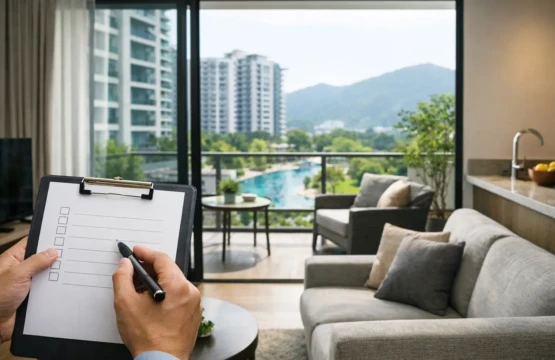
Malaysia gives hosts a wide range of property types to work with. Apartments, condos, landed homes, villas, boutique units, private rooms, and longer-stay spaces can all attract demand. But good hosting starts with an honest property check.
First, look at your space the way a guest would. Is it better for families, couples, groups, business travelers, or remote workers? A two-bedroom condo near transit may do well with city travelers and digital nomads. A spacious house with parking may appeal more to families or group trips. A room in a well-connected neighborhood may work for budget-conscious guests.
This is where many first-time hosts make a mistake. They try to market to everyone. In practice, the best-performing listings usually have a clear fit. The more specific your property positioning, the easier it becomes to write a strong listing, set the right price, and attract guests who are actually happy with what you offer.
A host listing in Malaysia needs more than a bed and key handover. Guests expect a functional stay from the moment they book. That means reliable cleanliness, clear check-in instructions, stable internet if you want longer stays, and a layout that matches the number of guests you accept.
Your must-have setup should cover sleeping comfort, clean bathrooms, working air conditioning or fans, basic kitchen access if relevant, and easy-to-find essentials like towels and toiletries. If your property is meant for business travelers or remote workers, a table, charging access, and strong Wi-Fi stop being nice extras and become part of the core product.
Small details also influence conversion. Parking availability, elevator access, self check-in, and proximity to attractions or transport can matter as much as interior design. The guest choosing between two similar places often picks the listing that feels easier.
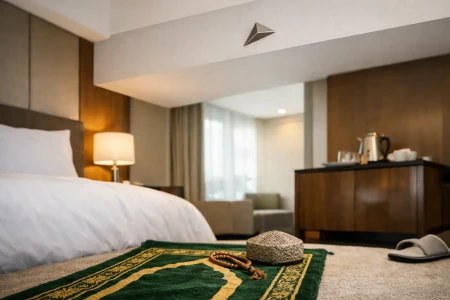
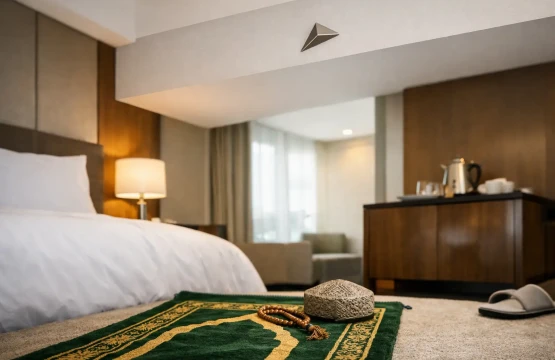
In Malaysia, culturally considerate hosting is not a niche feature. For many travelers, it is a booking factor. If your property can include Muslim-friendly amenities such as a sejadah, Quran, kiblat signage, or information on nearby halal dining, that can make your listing more relevant and more trustworthy.
This does not mean every property needs the same setup. It depends on your audience and location. But when these details are available, mention them clearly and accurately. Guests appreciate knowing what is provided before arrival, and hosts benefit when expectations are clear from the start.
If you want weekly or monthly bookings, think beyond overnight convenience. Longer-stay guests care more about storage, laundry access, kitchen functionality, workspace comfort, and neighborhood livability. They are less impressed by decorative touches and more interested in whether they can actually live there for a week or a month.
That trade-off matters. A property designed for short weekend stays may prioritize style and quick turnover. A property aimed at remote workers or extended stays should focus more on comfort, utility, and consistency.
New hosts often assume the fastest way to get bookings is to undercut the market. That can work briefly, but it is not always the smartest long-term move. Lower pricing attracts attention, but it can also attract guests whose expectations are higher than the rate suggests, or guests who are booking only on price.
A better approach is to price based on your location, property type, guest capacity, amenities, and seasonal demand. A city-center condo near shopping and transit should not be priced the same as a similar-sized property in a less connected area. A villa with a pool competes differently from a private room. Weekend and holiday demand can also shift quickly in destinations with domestic tourism traffic.
Look at the full value of your stay. If guests are getting privacy, convenience, family-friendly space, work-friendly features, or Muslim-friendly amenities, your pricing should reflect that. Fair pricing helps bookings, but clear value helps retention, reviews, and repeat demand.
Guests scroll quickly. They want the essentials without guessing. That means your listing should present the property clearly, using simple language and details that support booking decisions.
Strong listings usually make it easy to see the nightly rate, number of guests, bedrooms, bathrooms, and standout features. They also explain who the stay is best for. If your unit sleeps six comfortably, say that. If it has one bathroom and limited parking, say that too. Accurate details reduce friction and lower the chance of disputes later.
Photos matter, but not just because they need to look polished. They should help a guest understand layout, natural light, sleeping arrangements, and what the building or setting feels like. Wide shots help. So do photos of practical spaces like bathrooms, kitchen areas, workstations, and balconies.
Getting listed is the easy part. Running the stay well is what builds momentum.
Response time matters because travelers often book when they are ready, not after a long back-and-forth. Clear communication before arrival sets the tone. Guests want to know how check-in works, what to bring, whether parking is included, and who to contact if something goes wrong.
Cleaning standards are equally important. Even a well-located and competitively priced property can struggle if the guest experience feels neglected. Reliable turnover, fresh linens, restocked supplies, and basic maintenance checks protect your ratings and reduce last-minute stress.
There is also a practical side to host rules. Quiet hours, no-smoking policies, pet rules, and occupancy limits should be stated upfront. You do not need a long legal-style document, but you do need clarity. Good rules help the right guests book and discourage the wrong fit.
If you want to become accommodation host Malaysia in a sustainable way, do not treat regulations as an afterthought. Short-term rental rules can vary depending on building management, local authority requirements, strata policies, and licensing expectations.
That means you should check whether your property is allowed to operate as a short-stay accommodation, whether registration or approvals apply, and whether tax obligations affect your hosting model. This is one of those areas where it depends heavily on property type and location. A landed home may face different considerations from a managed condo tower.
Hosts who sort this out early avoid bigger problems later, especially when bookings start increasing.
Travelers in Malaysia often plan more than just where to sleep. They think about airport transfers, food, local attractions, hiking, family activities, and how easy it is to get around. That gives hosts a chance to add value even without adding major cost.
A helpful host might share practical arrival guidance, nearby convenience stores, prayer facilities, local dining options, or tips for getting to popular attractions. If your area is known for beaches, nature, cultural sites, or city access, your listing and guest communication should reflect that.
This is also why local platforms can be a strong fit for hosts who want guests looking for more than generic lodging. A marketplace such as MyRehat can place your accommodation in front of travelers already planning a Malaysia-specific trip, often with interest in transportation, local activities, and culturally relevant stay features.
Many hosts chase five-star reviews by trying to overpromise. That usually backfires. The better approach is simple: describe the stay honestly, deliver consistently, and fix small issues before they become review-worthy complaints.
If your property is compact but efficient, say so. If road noise is possible because you are in a lively urban area, mention it. If the Wi-Fi is excellent and the check-in is smooth, make sure those strengths are real every time.
Guests forgive a lot when communication is clear and the experience feels dependable. They are less forgiving when a listing looks one way online and feels completely different on arrival.
Not every host wants the same business model. Some want regular occupancy and steady income. Others only want to open their property during vacant periods, holidays, or off-peak personal use. Both approaches can work.
Full-time hosting gives you more booking momentum and clearer operational systems, but it also demands stronger cleaning coordination, calendar management, and maintenance discipline. Flexible hosting gives you more personal control, though availability gaps can make it harder to build ranking and repeat bookings.
The right model depends on your property, schedule, and goals. If you are testing the market, starting lean is reasonable. Just make sure your guest experience does not feel temporary or improvised.
A good host in Malaysia is not simply someone with available space. It is someone who understands who the stay is for, presents it clearly, runs it reliably, and makes travel feel easier from booking to checkout. When you build around that, your property stops being just another listing and starts becoming a place guests actively choose.

Hi, Airbnb empire delayed due to Covid. Rebuilding with some exciting new vibrant places. Coming to you soon. I enjoy many kind of foods and love to hike. If we hit it off, be more than happy to bring my guests to my best foodie places and hiking gems in the city. Look forward to meeting all of you!

The thrill of travel doesn’t begin... Read More

Last time, we explored some of... Read More

Digital nomad housing trends in Malaysia... Read More

Find the best transport options for... Read More

Find the best Malaysia stays for... Read More