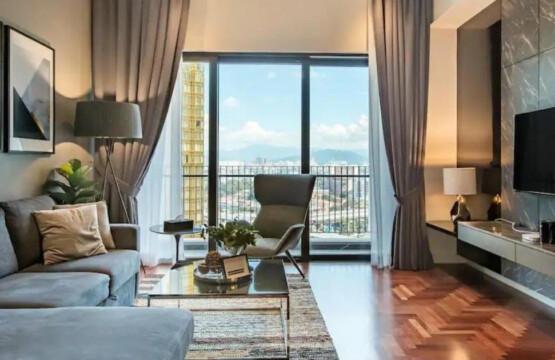

12 Best Malaysia Stays for Families
- July 1, 2026
- Uncategorized
Find the best Malaysia stays for families, from city flats to beach villas, with tips on space, safety, amenities and easy trip... Read More
 by [email protected]
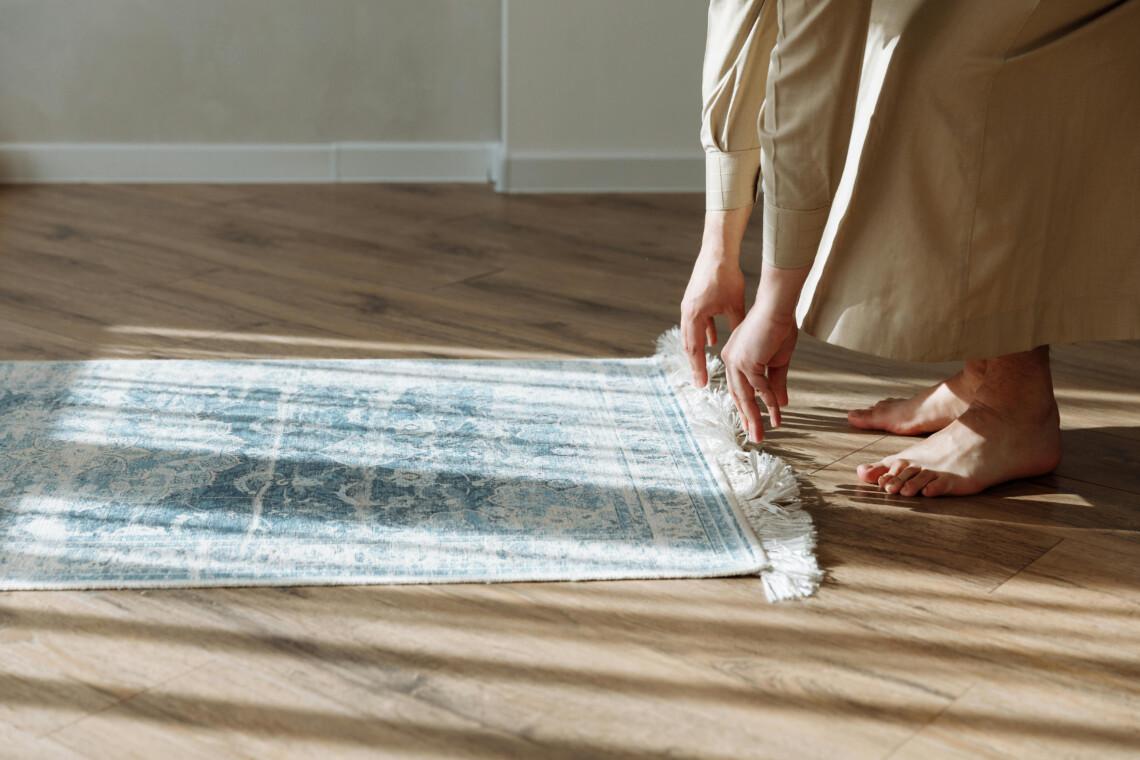
A hotel can look perfect in photos and still miss the details that shape a comfortable stay. For many travelers, muslim friendly amenities in hotels are not extras. They affect daily routines, meal choices, privacy, and peace of mind from check-in to check-out.
In Malaysia, that difference shows up quickly. A room with a qibla direction marker, a clean prayer mat, and clear halal dining options feels easier to settle into than a property that leaves guests guessing. The best stays remove friction. They make it easier to travel well without having to ask for basic faith-aligned needs at every step.
The phrase covers a wide range of features, and not every traveler will prioritize the same ones. Some guests mainly want prayer essentials in the room. Others care most about halal food access, family privacy, or whether the property environment feels appropriate for children and multigenerational travel.
That is why broad labels can be misleading. A hotel may describe itself as Muslim friendly because it offers halal breakfast, but if there is no prayer mat, no qibla sign, and no way to confirm nearby prayer facilities, the experience may still feel incomplete. On the other hand, a smaller property with modest facilities can be an excellent fit if it gets the basics right and communicates them clearly.
For practical trip planning, it helps to think in categories rather than marketing language. Prayer support, food and dining, room privacy, family-friendly setup, and staff awareness are usually the areas that matter most.
The simplest details are often the most useful. A sejadah or prayer mat in the room saves travelers from packing one or requesting it after arrival. A visible qibla marker avoids uncertainty, especially after a late check-in or a short overnight stay. Quran availability is also meaningful for guests who prefer not to travel with one.
These are small additions from the hotel side, but they change the feel of the stay. They signal that the property has thought about Muslim guests before the booking was made, not just after a request comes in.
A clean, private space in the room also matters. Not every traveler needs a dedicated prayer room if the guest room itself is spacious and suitable. For solo travelers or couples, that may be enough. For families sharing a tighter room layout, common prayer facilities on-site can be more important.
Bathrooms are another overlooked area. Hand showers, reliable water access, and clean, well-maintained facilities are basic hospitality standards, but they also matter more for guests who are attentive to prayer preparation and daily routines.
Food is often the first filter when choosing a hotel. Yet this is also where many listings become vague. Some properties say they offer halal food when they really mean there are seafood or vegetarian options. Others have fully halal-certified kitchens but do not explain that clearly enough.
The better approach is specificity. Guests should be able to tell whether the hotel restaurant is halal certified, whether only selected menu items are halal, or whether nearby halal dining is the main option. Each setup can work, but the booking decision depends on knowing which one applies.
Breakfast deserves special attention. It is the meal most likely to be included in the room rate, and it is also where assumptions cause problems. If breakfast is promoted as a benefit, travelers should be able to understand whether it truly fits their needs. A strong hotel listing does not force guests to follow up for basic clarification.
For longer stays, nearby food access becomes just as important as on-site dining. A hotel in a great city location with multiple halal restaurants within walking distance may be a better fit than a resort with limited dining transparency. It depends on the trip. Convenience for a one-night business stop is different from convenience for a five-day family vacation.
Many Muslim travelers are not only looking at amenities. They are also evaluating how the property feels. Pool setup, spa access, gym privacy, and general shared-space design can influence whether a hotel feels comfortable or merely acceptable.
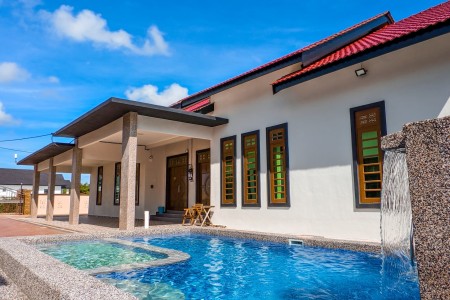
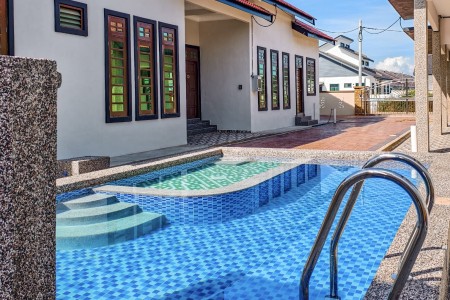
This does not always mean a hotel needs fully separate facilities. In many cases, the issue is whether the property communicates its setup honestly. If the pool is open and highly public, guests can decide for themselves. If there are private villa options, women-only time slots, or more secluded recreation areas, that is worth highlighting because it changes the booking appeal.
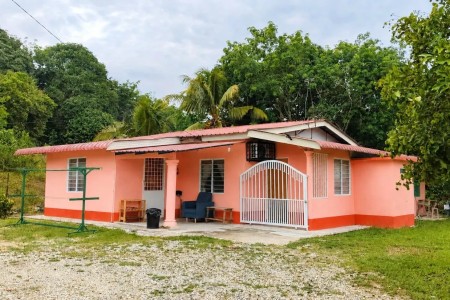
Room type matters here too. Suites, apartments, and villas often work better for families or groups who want more privacy and flexibility. A property with kitchen access, multiple bedrooms, and a living space may offer more day-to-day comfort than a standard hotel room, even if the hotel has more formal services.
A hotel can stock the right items and still create a poor experience if staff are unsure how to respond to simple questions. Guests should not have to explain what qibla means or whether halal food needs clear separation. That does not require perfect expertise from every staff member, but it does require awareness.
Good service in this category usually looks simple. Staff can answer basic questions clearly, requests are handled without awkwardness, and the property information matches reality. That consistency builds trust fast.
This is especially relevant for international visitors in Malaysia who may be unfamiliar with neighborhoods, prayer facilities, or local dining options. A hotel that can point guests toward a nearby mosque, recommend halal food options, or confirm available room amenities is offering real value, not just polite service.
The safest approach is to look past the badge and check the actual features. Search filters can help narrow options quickly, but the listing details are where confidence comes from. Look for explicit mentions of Quran availability, sejadah, kiblat signage, halal dining, and any family or privacy-related features that matter to your trip.
Photos help, but they are not enough on their own. A room image may look spacious while telling you nothing about prayer amenities or dining setup. Property descriptions should do that work. If they do not, the hotel may still be suitable, but the decision becomes less certain.
Trip type should guide your standards. A solo city traveler may only need the basics plus a convenient location near halal food and transport. A family with children may care more about room size, kitchen access, privacy, and whether the overall property environment feels relaxed and practical. A remote worker staying for weeks may want all of that plus stable Wi-Fi, laundry access, and a livable layout.
That is one reason marketplace-style search works well for Malaysia travel. When you can compare stay type, guest capacity, nightly rate, and tags such as Muslim Friendly in one view, it becomes easier to match the property to the real purpose of the trip. MyRehat takes that practical approach, which is especially useful when travelers are comparing hotels with apartments, villas, or longer-stay options instead of looking at hotels alone.
There is no single checklist that fits every destination, price point, or travel style. A luxury hotel may offer prayer essentials and polished service but still be less convenient for halal dining outside the property. A budget stay may offer fewer extras but be located in an area where halal food, mosques, and family-friendly services are all close by.
That is why the best booking choice is not always the property with the longest amenity list. It is the one that fits your routine with the least compromise. Sometimes that means a hotel with excellent on-site support. Other times it means a condo, villa, or homestay that gives you more space, privacy, and control over meals.
When hotels get Muslim-friendly amenities right, guests notice quickly. The stay feels easier, more respectful, and more usable from the moment they arrive. And when you are booking in a destination as varied as Malaysia, those details are not minor. They are often the difference between a place that simply accommodates you and a place that genuinely fits your trip.
The best travel plans start with clear expectations, and the right stay should make comfort feel built in, not requested later.

Find the best Malaysia stays for families, from city flats to beach villas, with tips on space, safety, amenities and easy trip... Read More
Can tourists rent apartments Malaysia? Yes - but rules, booking terms, visas and building policies matter. Here is what travellers should check. Read More

Learn how to book flexible stay dates with less stress. Compare options, check policies, and find stays that fit changing travel plans. Read More

Find the best Malaysia stays for... Read More

Can tourists rent apartments Malaysia? Yes... Read More

Learn how to book flexible stay... Read More

Find the right house rental for... Read More

Pelajari cara gabung penginapan dan aktiviti... Read More